Renovation dust protection is essential for UK homeowners to keep their living spaces clean and safe during home improvements. In Scotland, specific regulations require dust control measures to prevent contamination of unaffected areas, as outlined by Thomson Properties. Effective strategies include isolating the work zone with temporary barriers and using HEPA air scrubbers, which are more reliable than standard purifiers for high dust loads, according to Tenen Ltd. These steps help maintain air quality and protect surfaces, ensuring that daily life can continue with minimal disruption. Understanding these methods allows homeowners to make informed decisions about dust control during renovations.
Surface Protection: Preventing Damage Before It Starts
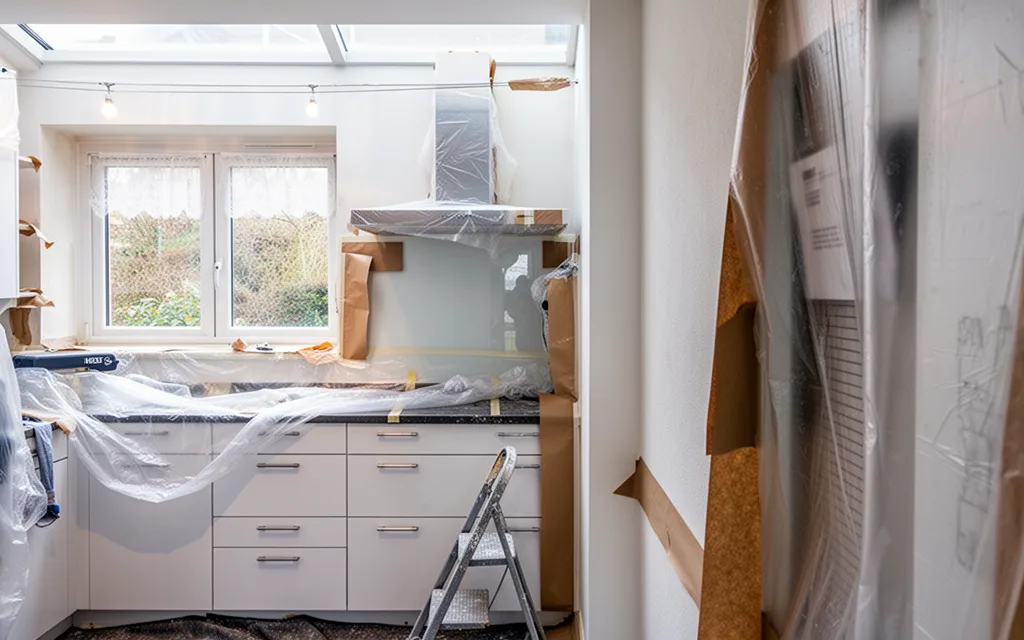
Protecting surfaces before renovation dust begins is a critical step in preserving your home’s condition. According to Tenen Ltd, the goal is to apply materials that shield furniture, flooring, and other surfaces from dust before any work begins. This includes using high-quality, water-resistant barriers that can be taped securely to walls and floors. These materials should be placed in adjoining rooms, not just over items in place, to prevent dust from settling on surfaces that are difficult to clean later.
For example, removing artwork, mirrors, and soft furnishings from nearby rooms rather than covering them in situ can significantly reduce the risk of permanent damage. This approach is especially important in homes with valuable or delicate items, as dust can settle in hard-to-reach places and cause long-term wear. According to Thomson Properties, professional teams use heavy-duty, water-resistant materials to shield hallways and stairs, which are high-traffic areas prone to dust accumulation.
In some cases, the use of professional dust extraction tools may be necessary, particularly for extremely dusty tasks. These tools help capture dust at the source, reducing the need for extensive cleanup later. However, for homeowners managing smaller projects, selecting the right protective materials and ensuring they are applied correctly is often sufficient. As noted by Elliott Construction Services, dust can spread rapidly and settle in unexpected places, making proactive protection essential to avoid the need for extensive remedial cleaning.
Isolation Barriers: Containing the Work Zone
Sealing off the renovation area requires physical barriers to prevent dust from spreading to other parts of the home. Plastic sheeting, secured with masking or painter’s tape, forms a primary line of defence. This method is recommended for rooms under renovation, with edges sealed tightly to avoid gaps. For hallways and stairs, common thoroughfares, heavy-duty, water-resistant materials are advised to shield these areas from cross-contamination. The four-phase approach outlined by Tenen Ltd includes isolating the work zone as a critical step, ensuring dust remains confined to the active area. This technique is particularly effective when combined with negative pressure systems, which use HEPA filtration to draw dust away from living spaces. However, such systems require professional installation to maintain consistent airflow and avoid recirculating particles. For homeowners managing smaller projects, temporary barriers like zip walls or dust doors, available from suppliers such as DJM Direct, can provide a more flexible solution. These barriers are designed to be reusable and are often used in conjunction with vacuum extraction tools to capture dust at the source. The key is to treat isolation as a non-negotiable step, as it directly impacts the ease of daily cleaning and the long-term preservation of unaffected areas. Always inspect barriers regularly for wear or gaps, especially after heavy work like demolition or sanding.
Air Quality Management: Using HEPA Filtration and Ventilation
Implementing HEPA filtration requires careful setup to ensure airborne dust is captured effectively. According to Tenenltd.co.uk, HEPA air scrubbers must be ducted outdoors to remove construction dust, as consumer-grade purifiers lack the capacity to handle high dust loads during active renovation work. This system creates negative pressure within the work zone, drawing dust away from occupied areas and preventing its spread. For this to function, isolation barriers such as sealed sheeting must be installed around the work area, as noted on the same page, to contain dust before it reaches ventilation pathways.
Ventilation strategies should complement HEPA systems. While mechanical extraction is critical, natural airflow can inadvertently carry dust through unsealed gaps. Tenenltd.co.uk highlights that professional-grade containment solutions, such as those listed on DJM Direct, include ZipWall systems that seal off rooms entirely, reducing reliance on ventilation alone. These barriers work with HEPA units to maintain negative pressure, ensuring dust remains isolated. Always consult regional authorities for compliance.
For ventilation, avoid relying on standard household fans, which can redistribute fine particulate matter. Instead, use dedicated extraction units connected to HEPA filters, as recommended by Tenenltd.co.uk. This approach aligns with Health and Safety Executive (HSE) guidance, ensuring dust levels remain within safe thresholds during tasks like plaster removal or demolition. Regular maintenance of filters and ductwork is essential to prevent system failure, which could compromise air quality in living spaces.
Post-Renovation Cleanup: Restoring Your Home to Its Original Condition
After renovation work concludes, systematic cleanup is essential to restore your home’s condition. Begin by removing all temporary barriers, such as plastic sheeting or zip walls, and inspect surfaces for residual dust. According to Thomson Properties, daily cleaning rituals, like vacuuming with HEPA filters and wiping down surfaces, should continue until all dust is eliminated. This prevents fine particles from settling on furniture, appliances, or flooring. For stubborn debris, use damp cloths or mops to trap dust rather than stirring it into the air. If high-dust tasks like demolition occurred, professional-grade extraction tools may be necessary to ensure thorough removal, as noted in Tenen Ltd’s guidance. Finally, inspect all areas, including hard-to-reach spaces like vents or ceiling corners, to confirm no residue remains. This final check ensures your home returns to its pre-renovation state without compromising air quality or surface integrity.
- Remove temporary barriers and inspect surfaces for dust.
- Vacuum with HEPA filters and wipe down all surfaces daily.
- Use damp cloths or mops to avoid airborne particles.
- Employ professional extraction tools for heavy residue if needed.
- Conduct a final inspection of all areas, including vents and corners.