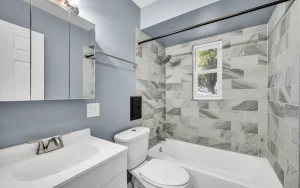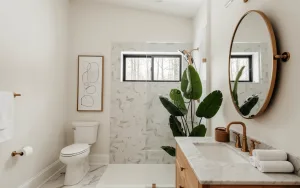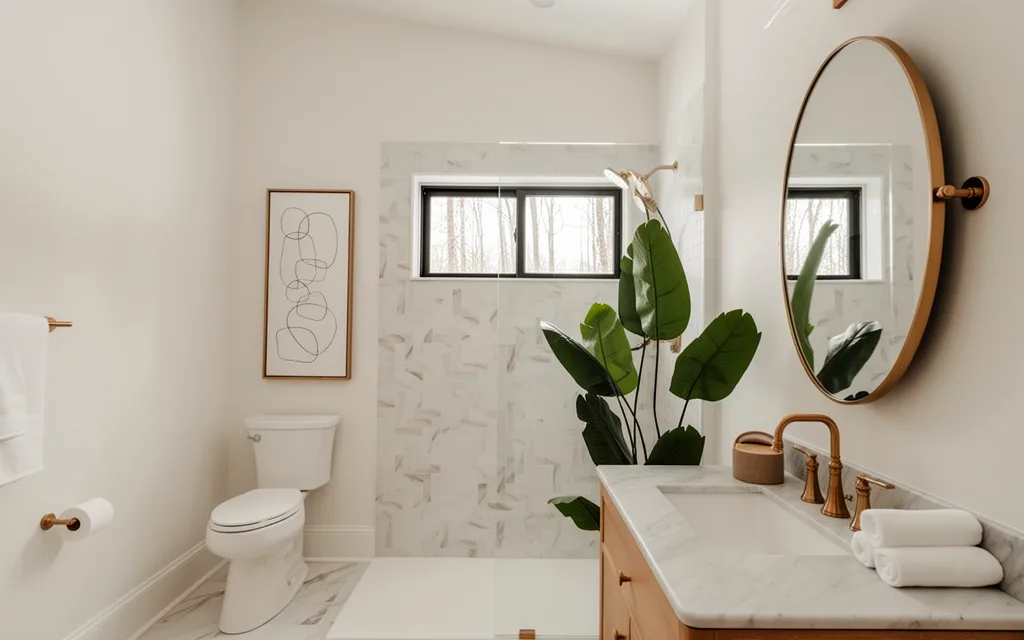
Adding bathroom storage without crowding the room can be achieved through options like freestanding cabinets, wall-mounted shelves, and mirrored units that combine function with space-saving design. Consider the humidity levels in your bathroom when selecting materials, as moisture-resistant options are essential for long-term use. Explore ideas such as installing shelves above the door or using hooks to maximise vertical space. Each approach has its own considerations, and the right choice depends on your specific layout and needs.
Maximize Vertical Space for Storage
Bathrooms often suffer from limited floor space, making it essential to focus on vertical storage solutions that utilise wall and ceiling height effectively. One approach is to install tall, fitted storage units that extend from the floor to the ceiling. These units offer ample space for storing items such as towels, toiletries, and cleaning supplies, while keeping the floor area clear. If full-height units are not suitable, wall-hung cabinets or shelves can be used to free up floor space and create a more open feel.
- Consider using floating shelves above the basin or beside the sink to store frequently used items within easy reach. These can be customised to fit awkward spaces, such as corners or above a toilet, and can be adjusted as needed.
- For a more integrated look, opt for wall-mounted cabinets with mirrored doors. These not only provide storage but also enhance the visual space of the room by reflecting light and creating the illusion of a larger area.
- Install shelves above the bathroom door to store essentials out of sight, keeping the room tidy and minimising clutter. This is a simple and effective way to utilise otherwise wasted space.
- Freestanding tall storage units are another option for small bathrooms. These can be repositioned as needed and are designed to maximise vertical space without taking up much floor area.
When considering vertical storage solutions, it is important to ensure that the chosen products are suitable for bathroom environments. Bathrooms typically have higher humidity levels, so using moisture-resistant materials is crucial to prevent damage over time. Always check the specifications of any storage unit or shelving system before installation to ensure it meets your needs and fits within the available space. For more guidance on selecting appropriate storage solutions, you can refer to Dunelm’s range of bathroom furniture for ideas on moisture-resistant options.
Use Existing Features Creatively
Many bathrooms already have features that can be repurposed for storage without the need for new installations. For example, window spaces can be transformed into functional storage areas by adding shelves. This allows you to keep daily essentials like hair products and toiletries within reach while making use of vertical space. However, it is important to consider the lighting conditions, as certain skincare products, such as vitamin C serum, may degrade when exposed to direct sunlight. A practical approach is to use opaque containers or place them in a less exposed area of the shelf.
- Consider using the back of bathroom doors for additional storage. Hooks, rails, or rings can be installed to hang items such as towels, robes, or even toiletries in a hanging wash bag. This is a simple and effective way to utilise space that is often left unused.
- Another option is to incorporate storage into the design of the bathroom itself. Tiled niches in showers or above baths can serve as built-in storage solutions, offering both functionality and aesthetic appeal. These niches can be used to store items like soap, shampoo, and shower gels, keeping them within easy reach and reducing clutter.
- For those looking to make a statement, antique or decorative cabinets can be used as freestanding or wall-mounted storage solutions. These pieces not only provide ample storage space but can also act as a focal point in the bathroom. If using open shelving, consider adding baskets or decorative boxes to keep items organised and easily movable.
When repurposing existing features, it is important to ensure that any modifications are compatible with the current structure and materials of the bathroom. For example, if installing shelves or hooks, check that the surfaces are strong enough to support the weight of the items being stored.
Choose the Right Materials for Longevity
Bathrooms experience higher humidity than other rooms, which can cause standard materials to warp, rot, or degrade over time. Prioritising moisture-resistant options ensures storage solutions remain functional and durable. For example, bathroom furniture designed for humidity often uses treated materials and sealed constructions to resist damage from splashes and condensation. Similarly, plastic, stainless steel, and water-resistant wood are recommended for their resilience to mould and corrosion. Plastic is budget-friendly and ideal for drawer organisation, while stainless steel resists rust and is commonly used for hardware or shower caddies. Treated wood, when properly sealed, can offer a more aesthetic option for shelves or cabinets without compromising durability. Always wipe away spills promptly, as prolonged water exposure can still cause damage even to moisture-resistant materials. For painted surfaces, selecting moisture-resistant bathroom paint helps maintain colour integrity and prevents peeling in high-humidity areas. By aligning material choices with bathroom conditions, storage solutions can last longer without compromising style or practicality.
Consider Hidden Storage Solutions
Hidden storage solutions can transform how you use space without compromising visual clarity. One approach is to install shelves above bathroom doors, as suggested by DIY.com, which allows you to store items like towels or cleaning supplies out of sight while keeping them accessible. This method works well in smaller spaces where floor area is limited. Another option is under-sink storage units, such as Dunelm’s Avani Under Sink Unit, which provides a discreet way to house toiletries and cleaning products. These units are designed to fit beneath standard sinks, utilising vertical space efficiently. For larger bathrooms, floor-to-ceiling wall-mounted cabinets, also highlighted by DIY.com, offer extensive storage while maintaining a streamlined appearance. When selecting hidden storage, consider materials suited to bathroom humidity levels, as noted by Dunelm, to ensure durability. Always verify that installation methods align with your home’s structure and that any modifications comply with local building regulations. These solutions require careful planning to avoid obstructing movement or light, but they can significantly reduce visible clutter.
- Install shelves above doors for discreet storage of frequently used items.
- Choose under-sink units to store toiletries and cleaning supplies out of sight.
- Opt for floor-to-ceiling cabinets to maximise vertical space in larger bathrooms.