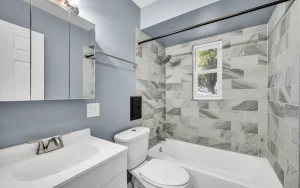
Choosing paint sheen involves considering factors like room usage, lighting, and surface condition to find the right balance between appearance and practicality. In Scotland, regulations related to interior painting do not impose specific sheen requirements, but selecting a suitable finish can enhance durability and aesthetics. Flat, eggshell, satin, semi-gloss, and high-gloss finishes each serve different purposes, with flatter paints helping to hide surface imperfections. Understanding how sheen interacts with light and traffic can guide your decision, ensuring the finish meets both functional and decorative needs in your home.
How Room Usage Influences Paint Sheen Choice
Room function directly impacts paint sheen selection, with traffic volume and maintenance needs acting as key decision points. High-traffic zones such as kitchens, bathrooms, and entryways require finishes that resist stains, moisture, and frequent cleaning. According to CyPaint, semi-gloss and high-gloss sheens are ideal for these areas due to their hard, scrub-resistant surfaces. For example, a semi-gloss paint in a kitchen can withstand daily wipe-downs without losing its luster, preserving both appearance and durability. In contrast, flat or matte finishes, which are less resilient, are unsuitable for such environments as they degrade quickly under repeated use.
Moderate-traffic spaces like living rooms, hallways, and staircases benefit from satin or eggshell sheens. These finishes strike a balance between durability and aesthetic appeal, hiding minor imperfections while offering easier maintenance than flat paints. CyPaint notes that satin is particularly effective in transitional areas like foyers, where it resists smudges and fingerprints without appearing overly reflective. For low-traffic rooms such as bedrooms or formal living areas, matte or flat finishes are preferable. Their non-reflective surfaces create a sophisticated, velvety look that minimizes wall imperfections, though they require less frequent cleaning. This makes them practical for spaces where visual appeal outweighs the need for robustness.
Practical considerations also include priming in moisture-prone areas. CyPaint recommends applying a high-quality primer before painting in entryways or bathrooms to enhance the sheen’s performance, ensuring it resists mold and wear. By aligning sheen with room usage, homeowners can achieve a finish that meets both functional and decorative goals without compromising longevity.
The Impact of Lighting on Paint Sheen Selection
Lighting conditions significantly influence how paint sheen appears in a space, as different finishes interact uniquely with natural and artificial light. High-gloss and semi-gloss sheens reflect more light, amplifying brightness and creating a sharp, polished look, while matte and flat finishes absorb light, producing a softer, more muted effect. In rooms with abundant natural light, such as south-facing living areas in England, lower-sheen options like eggshell or satin can balance illumination without creating glare. These finishes reflect enough light to maintain warmth while avoiding the starkness of higher sheens. Conversely, in spaces with limited natural light, such as north-facing rooms in Scotland, semi-gloss or high-gloss sheens can enhance perceived brightness and make areas feel more open.
- Lighting considerations also extend to artificial lighting. Warm-toned bulbs, often used in bedrooms or lounges, complement matte or flat finishes by softening harsh glows, whereas cool-toned lighting in kitchens or bathrooms pairs better with satin or semi-gloss sheens to reflect crisp, even illumination. For mixed-lighting environments, such as home offices with both overhead and task lighting, an eggshell finish offers adaptability, blending seamlessly with varying light sources. This approach ensures consistency in appearance throughout the day, avoiding unintended visual contrasts caused by differing light angles and intensities.
Surface Condition and Paint Sheen Compatibility
Smooth surfaces act as a canvas primed for glossier sheens. Think of a freshly skim-coated wall or a sleek kitchen cabinet – these surfaces reflect light evenly, amplifying the depth and richness of a high-gloss or semi-gloss paint. The key lies in the absence of imperfections; smooth surfaces don’t trap light in crevices, allowing the sheen to shine uniformly. For instance, a satin finish on a smooth bathroom wall not only looks elegant but also resists moisture effectively, making it both functional and aesthetically pleasing.
Textured walls, on the other hand, demand a different approach. Whether it’s a rustic stucco exterior or a drywall with a heavy orange peel texture, these surfaces absorb and scatter light, muting the effect of glossier sheens. A matte finish here becomes the ally, as it softens the texture’s visual impact while hiding minor flaws. Imagine a matte paint on a popcorn ceiling – it blends seamlessly, avoiding the harsh glare that a glossier sheen would create.
The science behind this lies in light reflection. Glossier sheens have a higher light-reflecting index, which works best on even surfaces. Matte finishes, with their low reflectivity, diffuse light, minimizing the appearance of texture. For example, a semi-gloss paint on a textured wall might highlight every bump and imperfection, while a matte finish would create a cohesive, forgiving look.
Lower-sheen finishes tend to create softer, less reflective surfaces, while higher-sheen finishes provide greater reflectivity and can offer practical benefits in areas exposed to regular cleaning or wear. The surface condition, the amount of light it receives, how the room is used and the specific paint product should all influence your decision. Thistle Decorators notes that these factors should be considered together to ensure the chosen sheen complements both the surface and the room’s function.
Key Considerations for UK Homeowners
UK homeowners should consider regional lighting variations and manufacturer-specific guidelines when selecting paint sheen. Northern regions, such as Scotland, often experience lower natural light levels year-round, making semi-gloss or high-gloss finishes more effective for brightening spaces compared to southern areas with higher daylight exposure. Manufacturer guidelines, such as those from Thistle Decorators, emphasize that sheen percentages and names may differ between brands, so always check product specifications. In high-traffic areas like kitchens or hallways, semi-gloss finishes are recommended for durability and ease of cleaning, as noted in general industry advice. However, in bedrooms or living rooms where a calm atmosphere is desired, matte or flat finishes can reduce glare and create a softer ambiance. Always test paint samples under the actual lighting conditions of the room, as the interplay between sheen and light can significantly alter perceived colour and brightness.