Planning a small bathroom layout requires careful consideration of space and functionality to ensure clear movement. Focus on compact vanity units, corner storage, and wall-mounted fixtures to maximise usable area. The reader must verify specific measurements, local rules, and personal needs to create a layout that works for their home.
Maximizing Vertical Space
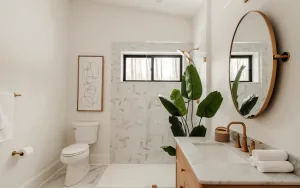
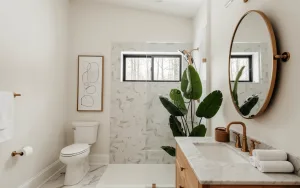
B&Q notes that installing a vanity on the wall increases the amount of visible floor space, which will in turn make your bathroom appear larger. Using wall space efficiently is critical in small bathrooms to create the illusion of more room while maintaining functionality. One approach is to install wall-hung vanity units, which elevate the basin and storage area off the floor. This design reduces the visual weight of the unit and frees up floor space, making the room feel more open. For additional storage, consider inset shelves built directly into the walls. These shelves do not occupy floor space and can be used to display or store items like towels, toiletries, or decorative objects, keeping surfaces clear and clutter-free.
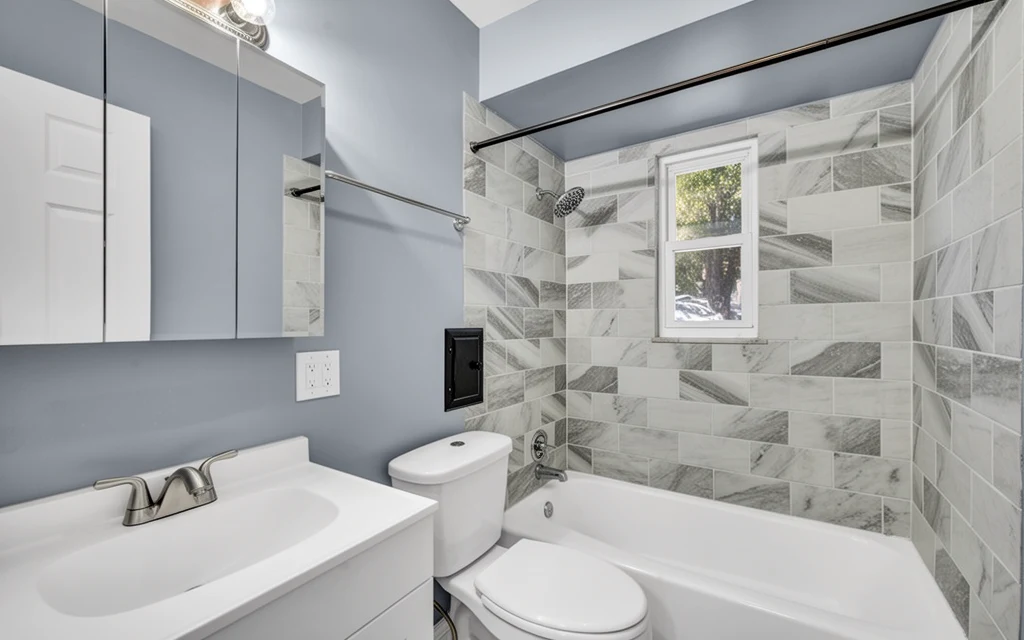
B&Q suggests choosing multi-functional pieces like mirror cabinets to add hidden storage and keep surfaces clear. Compact vanity units that integrate storage compartments with the basin are another practical solution. These units combine two functions into one, reducing the need for separate cabinets or shelves. If floor space is extremely limited, tall freestanding storage units can be positioned against walls to utilise vertical space without encroaching on the floor. Some options, like those described on Dunelm’s bathroom furniture page, include wall cabinets with integrated mirrors, which serve dual purposes of storage and reflection.
Dunelm notes that their bathroom furniture is designed with humidity and moisture levels in mind, using treated moisture resistant materials and sealed designs to deliver a much longer lifespan. For showers, inset shelves can hold toiletries and prevent moisture-related buildup on surfaces. If installation is not feasible, shower caddies or baskets can provide flexible, temporary storage. Dunelm advises wiping up spills and splashes when you can, as sitting water has the potential to cause damage.
Smart Storage Solutions
Maximising storage in a small bathroom requires thoughtful use of vertical space and underutilised areas. Inset shelves, built directly into walls, eliminate the need for freestanding units and help maintain an open feel by avoiding floor clutter. They are particularly useful in showers, where they provide a dedicated spot for toiletries while reducing the risk of dirt accumulation on wet surfaces. These units often feature multiple tiers or compartments, allowing you to store items like towels, cleaning supplies, or even small appliances without encroaching on movement space.
- B&Q’s guide to small bathroom storage solutions highlights that inset shelves and corner units are ideal for compact layouts, as they do not require additional floor area. For example, wall-mounted units with integrated mirrors can combine storage and reflection, reducing the need for extra furniture.
- Under-sink storage offers a discreet way to utilise space beneath vanity cabinets, keeping essentials like toiletries and cleaning products out of sight while maintaining easy access.
- Freestanding tall units, as noted by Dunelm, are another option for small bathrooms with limited floor space. They can be positioned against walls to maximise vertical storage without taking up valuable floor area.
When selecting storage solutions, consider the height of the unit to ensure it aligns with your reach and does not obstruct movement.
Choosing Compact Fixtures
Compact fixtures can transform a small bathroom by optimising space without sacrificing functionality. Wall-hung vanity units, for example, reduce the visual bulk of traditional cabinets by elevating the basin and storage area off the floor. This creates the illusion of more floor space, which is particularly beneficial in cramped layouts. B&Q notes that installing a vanity on the wall increases the amount of visible floor space, which will in turn make your bathroom appear larger. Similarly, inset shelves built directly into walls avoid taking up valuable floor area, maintaining an open, uncluttered feel. For additional organisation, wall-mounted tumblers and soap dispensers keep toiletries off surfaces, reducing visual clutter and making cleaning easier.
- Wall-hung units: Prioritise models with narrow profiles and minimalist designs to avoid overwhelming the space. Ensure the unit’s height aligns with standard reach for usability.
- Inset shelves: Opt for shallow depths to prevent items from protruding too far, which could hinder movement. Consider materials that resist moisture, such as sealed wood or metal.
- Wall-mounted accessories: Verify that the mounting hardware is compatible with your bathroom’s wall type (e.g., plasterboard or brick).
When selecting fixtures, measure the bathroom’s dimensions carefully, as noted by Dunelm. Ensure doors and drawers on freestanding units can open fully, even in tight spaces.
Moisture-Resistant Materials and Humidity Considerations
Bathrooms are high-moisture environments, so selecting materials that resist humidity is critical for longevity. Dunelm notes that their bathroom furniture is designed with humidity and moisture levels in mind, using treated moisture resistant materials and sealed designs to deliver a much longer lifespan. Avoid untreated wood or fabric-based storage units, as they degrade quickly in damp conditions. Metal or sealed laminate surfaces are preferable for cabinets and shelves. Dunelm advises wiping up spills and splashes when you can, as sitting water has the potential to cause damage.
Multi-Functional Furniture for Small Spaces
Incorporating multi-functional furniture can significantly enhance usability in compact layouts. As highlighted by B&Q, mirror cabinets combine storage and reflection, eliminating the need for separate vanity units. These cabinets often include hidden compartments for toiletries, maximizing space.